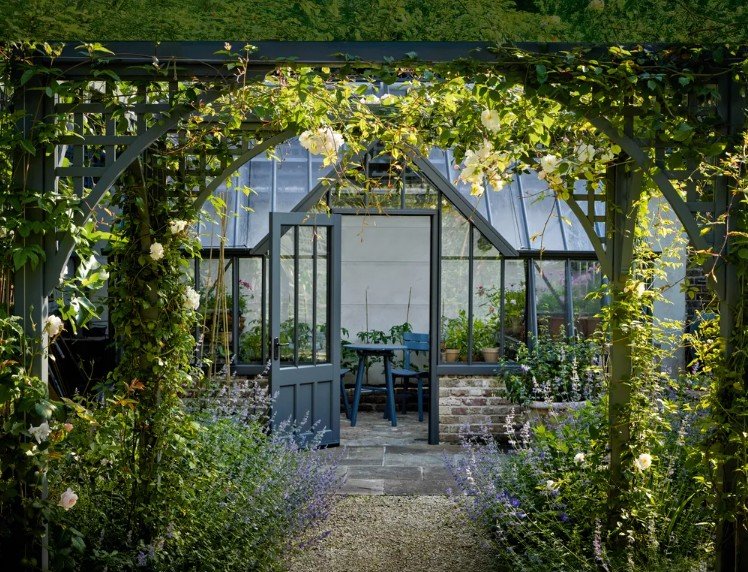
Home Garden Decoration Ideas: 20 Creative Ways to Make Your Outdoor Space Beautiful
You don’t need an expensive landscaping project to achieve an attractive result. Sometimes, adding colorful flower pots, installing decorative lighting, arranging garden pathways, or introducing a comfortable seating area is enough to refresh the space.
The key is finding a balance between decoration and functionality. Your garden should look appealing while remaining comfortable, practical, and easy to maintain.
If you’re ready to give your outdoor space a fresh look, here are 20 creative home garden decoration ideas to inspire your next project.
1. Decorate Your Garden with Colorful Flower Pots
Flower pots are one of the easiest ways to add personality to a home garden. They come in different sizes, colors, materials, and designs, making it easy to find options that complement your outdoor space.
You can arrange several pots along a garden pathway, place them near the entrance, or group them around a patio seating area. Mixing different pot heights creates visual interest and makes the arrangement feel more natural.
For a modern garden, consider neutral-colored ceramic or concrete planters. If you prefer a cheerful atmosphere, colorful pots in shades of blue, yellow, terracotta, and green can create a lively appearance.
Try combining flowering plants with decorative foliage. This creates an attractive display even when some flowers are not in bloom.
2. Create a Beautiful Garden Pathway
A garden pathway adds structure while making it easier to move around your outdoor space. It can also become an important decorative feature that connects different sections of the garden.
Natural stone, concrete pavers, gravel, bricks, and stepping stones are all popular choices. Each material creates a different visual effect, so choose one that matches your home’s architecture and preferred garden style.
For example, irregular stepping stones surrounded by grass can create a relaxed, natural appearance. Straight concrete pathways may work better in contemporary gardens with clean lines.
You can also decorate pathway edges with small flowering plants or low-growing greenery. Just make sure the walkway remains wide enough for comfortable and safe movement.
3. Add a Comfortable Outdoor Seating Area
A garden becomes much more enjoyable when it includes a place to sit and relax. An outdoor seating area can turn an ordinary backyard into a comfortable extension of your indoor living space.
Depending on the available area, you might add a wooden bench, a pair of outdoor chairs, or a small table with comfortable seating.
For a cozy atmosphere, include weather-resistant cushions and a small outdoor rug. A nearby potted plant or decorative lantern can complete the arrangement.
If your garden receives strong sunlight, consider adding a pergola, umbrella, or suitable shade structure. This makes the seating area more comfortable during warm afternoons.
4. Install Decorative Garden Lighting
Garden lighting can completely change the atmosphere of an outdoor space after sunset. It highlights attractive features, improves visibility, and makes the garden feel more welcoming.
There are several lighting options worth considering:
- Solar pathway lights: Help illuminate walkways without requiring conventional electrical wiring.
- String lights: Create a cozy atmosphere around patios and seating areas.
- Spotlights: Highlight trees, sculptures, and architectural features.
- Lanterns: Add decorative charm to tables, steps, and garden corners.
- Wall lights: Provide illumination near entrances and outdoor walls.
For the best effect, combine different lighting types rather than illuminating every area equally. Soft lighting around seating spaces and brighter lighting along important walkways can create a comfortable balance.
5. Build a Vertical Garden
Vertical gardens are excellent for homes with limited outdoor space. Instead of arranging every plant on the ground, you use walls, fences, or specially designed structures to grow greenery upward.
You can create a vertical garden using wall-mounted planters, hanging pots, wooden shelves, or climbing plant supports.
Small herbs, ferns, pothos, and suitable ornamental plants can work well in vertical arrangements. Choose plants according to the amount of sunlight and airflow available.
Vertical gardens also provide an attractive way to decorate plain walls. A carefully arranged collection of plants can become a natural focal point without taking up much floor space.
Before installing one, make sure the wall or support structure can handle the weight of the planters, growing medium, and water.
6. Use Natural Stone for Garden Decoration
Natural stone adds texture and an organic appearance to outdoor spaces. It works particularly well in gardens that combine greenery with simple, earthy materials.
You can use decorative stones to create borders around flower beds, line pathways, or cover selected sections of the ground.
Larger stones can become focal points when surrounded by ornamental grasses or low-growing plants. Smaller pebbles are useful for filling gaps between stepping stones or creating decorative patterns.
For a cohesive look, choose stone colors that complement your home’s exterior. Gray, cream, brown, and warm beige are versatile options.
Remember that stones can become slippery when wet, so select suitable materials for areas where people regularly walk.
7. Add a Small Garden Water Feature
A water feature can bring movement and a peaceful atmosphere to your garden. Even a compact fountain can become an attractive centerpiece without requiring a large installation.
For small spaces, consider a tabletop fountain or a decorative freestanding water feature. Larger backyards may have room for a small pond, waterfall, or recirculating stream.
The sound of moving water can create a relaxing environment, especially when combined with lush plants and comfortable seating.
However, water features require regular cleaning and maintenance. Check pumps, remove debris, and prevent standing water from becoming a mosquito breeding area.
If children use the garden, consider safety carefully before installing ponds or open-water features.
8. Decorate with Hanging Plants
Hanging plants are a simple way to introduce greenery at different heights. They can make a garden feel fuller while keeping valuable ground space available.
You can hang planters from pergolas, balcony ceilings, sturdy hooks, or suitable garden structures.
Trailing plants such as pothos and certain varieties of ivy can create a beautiful cascading effect. Flowering hanging plants can also introduce seasonal color.
Choose containers with appropriate drainage and make sure the supporting hooks can safely carry their weight. Hanging plants may dry out more quickly than plants growing in the ground, so check their moisture levels regularly.
For a coordinated appearance, use similar planter materials or colors throughout the garden.
9. Create a Tropical Garden Theme
A tropical garden can make your outdoor space feel like a relaxing retreat. This style focuses on lush greenery, large leaves, layered planting, and natural materials.
Depending on your local climate, you might use palms, ferns, heliconias, philodendrons, ornamental ginger, and other suitable tropical plants.
Arrange taller plants toward the back and smaller plants near the front to create depth. You can also introduce bamboo accents, natural stone, wooden furniture, and a small water feature.
The secret to an attractive tropical garden is variety without overcrowding. Give plants enough room to grow and maintain good airflow to reduce the risk of fungal problems.
10. Use Wooden Garden Decorations
Wood is a versatile material that adds warmth and natural character to an outdoor space. It works well with modern, rustic, tropical, and traditional garden styles.
You can incorporate wood through benches, planter boxes, trellises, garden signs, pergolas, and decorative screens.
A wooden bench beneath a tree can create a charming relaxation corner. Wooden planter boxes can also help organize flowers and ornamental plants.
Choose materials suitable for outdoor exposure and apply appropriate protective treatments when necessary. Good maintenance will help prevent moisture damage, decay, and premature deterioration.
11. Design a Small Zen Garden
A Zen-inspired garden emphasizes simplicity, balance, and a peaceful atmosphere. It can be a wonderful choice if you want a quiet outdoor corner for relaxation.
Start with a simple arrangement of gravel, carefully positioned stones, and a few suitable plants. You can also include a small water feature or a wooden bench if space allows.
Avoid filling the area with too many decorations. The beauty of this style comes from thoughtful spacing and a limited selection of natural elements.
A small Zen garden can fit beside a patio, along a side yard, or in an unused backyard corner.
12. Add a Decorative Garden Trellis
A trellis is both functional and decorative. It provides support for climbing plants while creating an attractive vertical feature in your garden.
Wooden and metal trellises are common options. You can install one against a wall, along a fence, or near an outdoor seating area.
Climbing flowers and suitable vines can gradually cover the structure, creating a natural green screen.
Trellises can also help define different garden zones. For example, a plant-covered trellis can separate a seating corner from the main lawn without completely blocking the view.
Choose a sturdy design and consider the mature size and weight of the plants you intend to grow.
13. Decorate Your Garden with Recycled Materials
If you enjoy DIY projects, recycled materials can become interesting garden decorations. Reusing suitable items is also a practical way to reduce waste and keep decorating costs manageable.
Old wooden crates can become planter boxes, while unused containers can be transformed into decorative plant holders. Suitable glass jars can be used as small lanterns or organizers for garden accessories.
You can also repurpose old furniture as a display stand for potted plants.
Before using recycled materials, check that they are clean, stable, and safe for outdoor use. Avoid containers that previously held hazardous chemicals, and make sure planters have proper drainage.
A little creativity can turn ordinary objects into unique garden features.
14. Create a Beautiful Flower Garden Border
Garden borders help organize planting areas and give the landscape a more finished appearance. They can also separate lawns, pathways, and flower beds.
You can use bricks, natural stones, timber edging, or low decorative fencing to define the boundaries.
For a softer appearance, plant low-growing flowers or ornamental grasses along the edges. Repeating the same plants at regular intervals creates a more coordinated design.
Choose border materials that complement your home’s exterior and the other landscaping features. Consistency is often more attractive than combining too many unrelated styles.
15. Add a Garden Pergola
A pergola can become a beautiful focal point while creating a partially shaded outdoor area. It works especially well in larger backyards where you want to establish a dedicated seating or dining space.
Wooden pergolas create a warm, natural appearance, while metal designs may suit contemporary gardens.
You can decorate the structure with climbing plants, hanging lights, or outdoor curtains. This helps create a more private and comfortable atmosphere.
Before installing a pergola, consider its dimensions, foundation, drainage, and structural requirements. Choose materials that can withstand your local weather conditions.
16. Make Your Garden Look Beautiful with a Lawn
A green lawn can provide a clean and refreshing foundation for many garden styles. It creates open space while allowing flowers, trees, pathways, and decorative features to stand out.
If you have enough room, a small lawn can become a comfortable area for children, pets, or outdoor activities.
Choose grass varieties that suit your climate, soil, sunlight, and maintenance preferences. Some grasses require frequent mowing and watering, while others may be better suited to lower-maintenance landscapes.
You can frame the lawn with flower beds, decorative stones, or low shrubs to create a more organized appearance.
For small gardens, consider limiting the lawn area and using paving or ground-cover plants in less frequently used sections.
17. Introduce Colorful Garden Accessories
Garden accessories can add personality and make an outdoor space feel more distinctive. They are also easy to replace when you want to update the look.
Consider adding colorful plant pots, decorative signs, outdoor cushions, sculptures, bird feeders, or weather-resistant ornaments.
If your garden already contains many colorful flowers, neutral accessories may help maintain visual balance. On the other hand, a simple green garden can benefit from brighter decorative accents.
Try to choose accessories that complement one another instead of placing too many unrelated objects throughout the space.
A few well-positioned decorations can have a stronger visual impact than a large collection of small ornaments.
18. Create a Beautiful Garden Corner for Relaxation
You don’t need a large patio to create a peaceful outdoor retreat. An unused corner can become a comfortable place to read, enjoy a drink, or simply appreciate your plants.
Start with a comfortable chair or small bench. Add a few potted plants, soft lighting, and a small side table.
If privacy is important, use tall plants, decorative screens, or climbing vines to create a more secluded atmosphere.
Consider the direction of sunlight and airflow before selecting the location. A shaded corner may be more comfortable in warm weather, while a spot with morning sunlight can be pleasant for breakfast or reading.
19. Choose Low-Maintenance Garden Decorations
A beautiful garden should not become difficult to maintain. If you have a busy lifestyle, focus on decorative features that remain attractive without requiring constant attention.
Choose durable pots, weather-resistant furniture, suitable paving, and plants that naturally thrive in your local climate.
You can also use mulch around planting beds to help retain soil moisture and reduce weed growth.
Other useful low-maintenance ideas include:
- Using slow-growing ornamental shrubs.
- Choosing locally adapted plants.
- Installing efficient irrigation where appropriate.
- Selecting durable outdoor furniture.
- Reducing the number of delicate seasonal plants.
- Using decorative stones in areas where grass is difficult to maintain.
With thoughtful planning, you can create a beautiful outdoor environment without spending every weekend working in the garden.
20. Combine Different Garden Styles for a Unique Look
You don’t have to follow a single decorating style throughout your garden. Combining selected elements from different styles can help create an outdoor space that feels personal.
For example, you might combine a modern patio with tropical plants, natural stone pathways, and rustic wooden furniture.
The important thing is to maintain a visual connection between the different elements. Repeat a few colors, materials, or plant varieties throughout the garden to create a sense of unity.
Avoid introducing too many competing features. A well-balanced combination of styles usually feels more inviting than an outdoor space filled with unrelated decorations.
Tips for Choosing the Right Home Garden Decorations
Before purchasing garden accessories or starting a DIY project, consider a few practical details. These decisions can help you avoid unnecessary expenses and create a more successful design.
Understand your available space. Measure your garden and identify areas for plants, pathways, seating, and decorations. This helps you select appropriately sized features.
Consider the local climate. Choose materials and plants that can handle your area’s temperature, rainfall, humidity, and sunlight exposure.
Set a decorating budget. Decide which features are most important and complete the project gradually if necessary.
Prioritize functionality. Make sure decorative elements don’t block walkways, drainage areas, entrances, or access to garden equipment.
Use a consistent color palette. Repeating a few colors can make different garden sections feel connected.
Think about maintenance. Consider how much time you’re willing to spend watering, pruning, cleaning, and repairing outdoor features.
Start with a focal point. A fountain, attractive tree, pergola, or seating area can provide a central feature around which the rest of the garden is arranged.
Conclusion
Home garden decoration ideas can help transform an ordinary outdoor area into a beautiful, comfortable, and functional extension of your home. From colorful flower pots and natural stone pathways to vertical gardens, decorative lighting, and cozy seating corners, there are countless ways to improve your garden.
The best approach is to choose decorations that match your available space, personal style, and maintenance preferences. You don’t need to introduce every feature at once. Start with a few simple improvements, see how they change the atmosphere, and gradually add more elements as your garden develops.
Whether you prefer a tropical retreat, a modern minimalist landscape, or a charming flower-filled backyard, thoughtful decoration can make your outdoor space more enjoyable throughout the year.
Frequently Asked Questions (FAQs)
1. What are the best home garden decoration ideas?
Popular ideas include colorful flower pots, garden pathways, vertical gardens, outdoor lighting, wooden benches, decorative stones, water features, and hanging plants. The best choices depend on your garden size and preferred style.
2. How can I decorate my garden on a low budget?
Start with affordable improvements such as repurposed planters, DIY garden signs, recycled wooden crates, inexpensive flower pots, and simple outdoor lighting. You can also rearrange existing plants and furniture to create a fresh look without buying many new items.
3. How do I make a small home garden look beautiful?
Use vertical planters, compact furniture, hanging plants, and decorative pathways. Keep the layout organized and avoid overcrowding the space with too many accessories.
4. What decorations are suitable for a modern garden?
Modern gardens often feature clean-lined planters, natural stone, concrete pathways, minimalist outdoor furniture, subtle lighting, and carefully arranged greenery.
5. How can I make my garden look cozy?
Add comfortable outdoor seating, warm lighting, decorative cushions, natural materials, and a few attractive plants. Creating a small private corner can also make the garden feel more relaxing.
6. What plants are best for garden decoration?
The best decorative plants depend on your climate and sunlight conditions. Popular choices include ferns, ornamental grasses, palms, flowering shrubs, succulents, and suitable climbing plants.
7. How can I decorate my garden without using too many plants?
Use natural stones, wooden structures, decorative pots, outdoor furniture, lanterns, sculptures, and water features. These elements can add visual interest while keeping the planting arrangement relatively simple.
8. Are solar garden lights worth using?
Solar garden lights can be a practical option for illuminating pathways and decorative areas without conventional electrical wiring. Their performance depends on sunlight exposure, battery quality, and product specifications.
9. How do I maintain garden decorations?
Clean outdoor accessories regularly, check furniture and structures for damage, remove accumulated dirt, and protect materials according to their care requirements. Inspect lighting and water features to make sure they continue working properly.
10. How often should I update my garden decorations?
There is no fixed schedule. You can update small accessories whenever you want a fresh appearance, while larger features such as pathways, pergolas, and seating areas may remain part of your garden for many years with proper maintenance.
A natural next step is to choose a garden style—such as tropical, modern minimalist, or rustic—and build a coordinated decoration plan around it.