Vegetable Garden Ideas for Backyard: 20 Creative Ways to Grow Your Own Food
With the right vegetable garden ideas for backyard spaces, you can turn an unused corner, a sunny patio, or a small patch of lawn into a productive garden. Whether you want to grow vegetables for your family, save money on groceries, or simply enjoy a relaxing gardening hobby, there are plenty of ways to get started.
The secret is choosing a garden layout that matches your available space, sunlight, climate, and gardening experience. Here are 20 practical and creative backyard vegetable garden ideas to inspire your next outdoor project.
1. Create a Classic Raised Bed Vegetable Garden
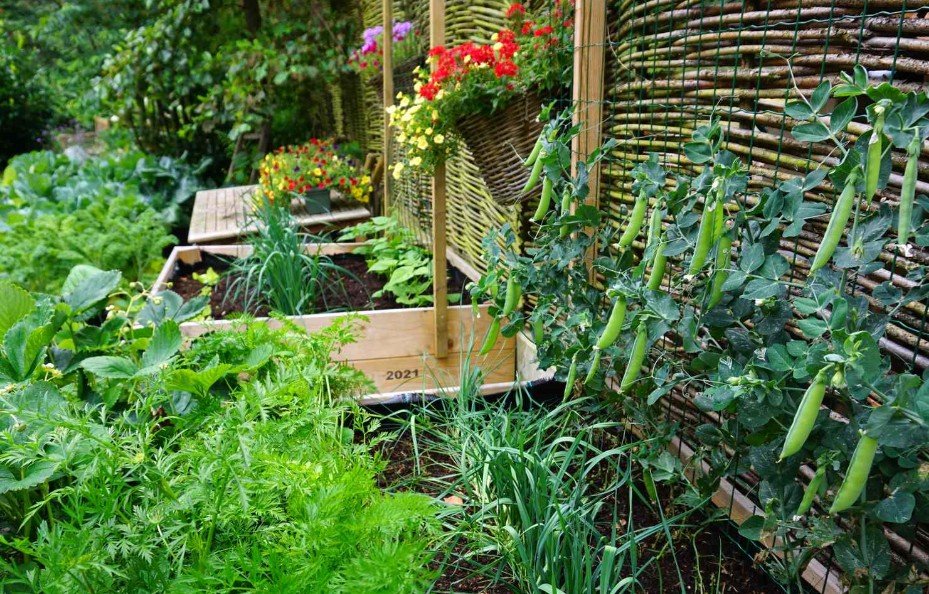
Raised garden beds are one of the most popular options for backyard vegetable gardening. They provide a clearly defined growing area, make planting easier to organize, and allow you to control the soil mixture more effectively.
You can build raised beds using untreated, durable wood, suitable masonry, or other garden-safe materials. The dimensions should allow you to reach the middle of the bed comfortably without stepping on the soil.
One of the biggest advantages is that raised beds make it easier to separate different vegetable varieties. You could dedicate one bed to leafy greens, another to tomatoes and peppers, and a third to root vegetables.
If you’re new to gardening, start with one or two beds rather than building an entire garden immediately. Once you understand how much time watering, weeding, and harvesting requires, you can expand your setup.
2. Try a Small Backyard Vegetable Garden
A small backyard doesn’t mean you have to give up on growing fresh vegetables. In fact, a compact garden can be surprisingly productive when every available area is used thoughtfully.
Start by identifying the sunniest section of your yard. Most fruiting vegetables, such as tomatoes, peppers, cucumbers, and eggplants, generally need several hours of direct sunlight each day.
For areas with limited space, choose compact vegetable varieties and grow crops with similar sunlight and watering requirements together. Leafy greens, green onions, herbs, and certain radishes can be useful choices.
You can also combine containers with a small raised bed. This creates flexibility because containers can be moved when necessary, while the raised bed provides a permanent growing area.
The important thing is to avoid overcrowding. Plants need enough room for healthy roots, air circulation, and sunlight exposure.
3. Build a Vertical Vegetable Garden
Vertical gardening is an excellent solution for homeowners who want to grow vegetables without using too much ground space. Instead of spreading plants across the yard, you encourage suitable crops to grow upward using trellises, frames, or other supports.
Cucumbers, climbing beans, peas, and certain types of squash can grow vertically when provided with sturdy support.
You can install a wooden trellis along a fence or use a metal garden frame behind a raised bed. Hanging planters and wall-mounted containers are also useful for smaller crops and herbs.
Vertical gardening offers several benefits:
- Makes better use of limited backyard space.
- Keeps some vegetables away from direct contact with the soil.
- Can improve airflow around supported plants.
- Makes harvesting easier for certain climbing crops.
- Adds an attractive decorative feature to the garden.
Make sure your support structures are strong enough to handle mature plants and wet growing conditions. Heavy vegetables can put considerable pressure on lightweight frames.
4. Grow Vegetables in Containers
Container gardening is perfect for patios, balconies, paved backyards, and areas where the existing soil isn’t suitable for growing vegetables.
You can use traditional plant pots, fabric grow bags, wooden planters, or large food-safe containers with proper drainage holes.
The most important consideration is container size. Leafy greens and herbs can grow in relatively small containers, while tomatoes, eggplants, and larger vegetables need more room for their roots.
Use a suitable potting mix rather than relying entirely on ordinary garden soil. A quality container-growing medium provides a lighter structure and helps manage drainage.
Remember that container plants may dry out faster than vegetables planted directly in the ground. Check moisture regularly, especially during hot weather.
5. Design a Backyard Kitchen Garden
A kitchen garden combines practical food production with an attractive outdoor layout. Instead of growing vegetables randomly, you organize the garden around the ingredients you use most frequently.
For example, you might plant tomatoes, chili peppers, basil, lettuce, green onions, and parsley in separate sections. This makes it convenient to collect fresh ingredients while preparing meals.
You can arrange the plants in small rows, raised beds, or decorative containers. Adding a simple stone or gravel pathway can make the area easier to access and maintain.
A kitchen garden also gives you an opportunity to experiment with different vegetables. Start with ingredients that your household regularly uses, then introduce new varieties as your confidence grows.
The result is a backyard garden that looks attractive while serving a practical purpose.
6. Grow Vegetables in a Recycled Pallet Garden
If you’re looking for an affordable backyard gardening project, a pallet planter may be worth considering. Wooden pallets can sometimes be repurposed into vertical planting structures or compact garden beds.
However, not every pallet is appropriate for growing edible plants. Choose clean, untreated wood with a known history, and avoid pallets exposed to chemicals, oils, or unknown industrial substances.
A pallet garden can be useful for growing shallow-rooted plants such as lettuce, small herbs, and certain leafy greens. You can also use the pallet structure as a support for containers.
Before planting, make sure the structure is stable and that the growing compartments have adequate drainage.
This idea is especially useful when you want to experiment with a DIY garden without spending too much money on decorative planters.
7. Create a Salad Vegetable Garden
If you enjoy fresh salads, dedicate a section of your backyard to vegetables and herbs that can be harvested regularly.
Lettuce, spinach, arugula, radishes, green onions, and suitable leafy vegetables are excellent starting points. You can also include herbs such as basil, cilantro, and parsley.
One helpful technique is succession planting. Rather than planting every seed at once, sow small amounts at regular intervals according to the crop’s growing requirements.
This helps provide a more consistent supply instead of producing a large harvest all at the same time.
A salad garden can fit into a raised bed, several containers, or a narrow planting strip. It is a practical choice for beginners because many leafy vegetables can grow relatively quickly under suitable conditions.
8. Plant a Tomato and Pepper Garden
Tomatoes and peppers are popular choices for backyard vegetable gardens because they are versatile ingredients used in many everyday meals.
You can grow tomatoes in raised beds or large containers, depending on the variety. Some tomato plants need sturdy cages or stakes to support their stems and developing fruit.
Peppers generally prefer warm conditions and well-drained soil. They can be planted alongside tomatoes if the spacing, sunlight, and watering requirements are suitable.
Try selecting varieties based on how you plan to use the harvest. Cherry tomatoes are convenient for salads, while larger varieties are useful for sandwiches and cooking.
Regularly inspect the plants for pests, leaf damage, and signs of nutrient problems. Providing consistent care can help you enjoy a healthier harvest throughout the growing season.
9. Add a Trellis for Cucumbers and Climbing Beans
A garden trellis can make your backyard more organized while helping climbing vegetables use vertical space.
Cucumbers and climbing beans are common choices for trellis gardening. Peas can also benefit from support when grown during suitable conditions.
You can build a simple trellis from bamboo poles, wooden frames, or metal garden mesh. Position it where the plants can receive enough sunlight without blocking other vegetables.
Growing climbing vegetables vertically can make fruit easier to locate and harvest. It can also help keep vines from spreading across pathways.
Check the plants regularly and guide young stems toward the support structure. Some crops naturally climb, while others may need gentle assistance.
10. Build a Square Foot Vegetable Garden
Square foot gardening is a planting method that divides a growing area into smaller sections. Each section is assigned to a particular crop, making it easier to plan plant spacing and organize different vegetables.
For example, one section might contain several small leafy plants, while another is reserved for a larger vegetable that requires more room.
The exact number of plants per section depends on their mature size, root requirements, and recommended spacing. Avoid treating the grid as a reason to overcrowd the garden.
This method is particularly helpful for beginners who want a clear planting plan. It also works well in raised beds because the growing area is already defined.
You can use string, thin wooden strips, or other simple dividers to mark the sections.
11. Turn an Unused Corner into a Vegetable Garden
Sometimes the best backyard vegetable garden is the one that makes use of an overlooked space.
Look for unused corners near a fence, along a suitable wall, or beside an outdoor seating area. If the location receives enough sunlight and has good drainage, it may become a productive growing spot.
Before planting, remove weeds and check the soil condition. If the ground is compacted or unsuitable, consider installing a raised bed or placing containers on a stable surface.
Keep taller plants where they won’t block sunlight from smaller vegetables. A simple arrangement of leafy greens, herbs, and compact fruiting plants can make the corner both attractive and useful.
This approach is ideal when you want to add gardening space without redesigning the entire backyard.
12. Create a Tropical Backyard Vegetable Garden
In warm, humid climates, a tropical vegetable garden can be both productive and visually appealing. Many vegetables and edible plants grow well in these conditions when their sunlight, drainage, and watering needs are properly managed.
Depending on your local climate, you might consider growing chili peppers, eggplants, tomatoes, okra, long beans, leafy greens, and other locally adapted vegetables.
Raised beds can be useful in areas where heavy rainfall causes waterlogging. Good drainage is particularly important because consistently saturated soil can damage roots and encourage plant diseases.
You can also combine vegetables with edible herbs and suitable companion plants to create a more diverse garden.
For a tropical backyard, avoid assuming that every vegetable enjoys intense heat. Some leafy crops prefer partial shade or cooler growing conditions, so choose varieties that are suited to your local environment.
13. Grow Leafy Greens in a Shaded Area
Not every backyard has a large sunny space. Fortunately, some leafy vegetables can grow with less direct sunlight than fruiting crops.
Lettuce, certain varieties of spinach, and several Asian leafy vegetables may tolerate partial shade, depending on the local climate and growing conditions.
In tropical regions, partial shade can sometimes help protect delicate greens from excessive heat. However, too little light may produce weak growth and reduce harvest quality.
Observe how sunlight moves through your backyard before choosing the planting location. A spot that receives gentle morning sunlight may be more suitable than one exposed to intense afternoon heat.
You can also use shade cloth when necessary, particularly during very hot periods.
14. Install a Drip Irrigation System
Watering is one of the most important parts of vegetable gardening. A drip irrigation system can make the process more efficient by delivering water close to the plants’ roots.
This approach can reduce water waste compared with watering large areas indiscriminately. It also helps keep foliage relatively dry, which may reduce certain moisture-related disease problems.
A basic system can include tubing, connectors, emitters, and a suitable water source. You can install it along raised beds or around rows of vegetables.
Check the system regularly for clogged emitters, leaks, and uneven water distribution.
Even with irrigation, monitor soil moisture instead of relying on a fixed schedule. Water needs change with weather, plant size, soil type, and container conditions.
15. Make a Composting Corner for Your Vegetable Garden
Healthy soil is the foundation of a productive vegetable garden. Composting can help recycle suitable organic materials while improving soil structure and adding nutrients.
You can create a composting corner in an unused section of your backyard. A compost bin or designated composting area can keep the process organized.
Common compostable materials include vegetable scraps, fruit peels, dry leaves, and untreated plant material. Avoid adding meat, dairy products, oils, and materials contaminated with chemicals to a typical home compost pile.
A well-managed compost pile needs an appropriate balance of green materials, brown materials, moisture, and airflow.
When finished, mature compost can be incorporated into suitable garden beds. It is a useful soil amendment, although its nutrient content varies and it should not automatically replace a complete soil fertility plan.
16. Try Companion Planting
Companion planting involves growing different plants near each other for practical gardening purposes. Some combinations can help use space efficiently, attract beneficial insects, or provide shade and support.
For example, basil is often grown near tomatoes because both are popular kitchen garden plants and can share similar growing conditions. Flowering herbs and suitable companion flowers may also attract pollinators and beneficial insects.
However, not every popular companion planting claim has strong scientific support. Plant compatibility depends on the species, growing conditions, spacing, and pest pressure.
A practical starting point is to combine plants with compatible water and sunlight requirements. Avoid placing large, fast-growing crops where they will shade smaller vegetables unnecessarily.
Companion planting works best as part of a broader garden management strategy rather than as a guaranteed pest-control solution.
17. Design a Beautiful Vegetable Garden with Flowers
A vegetable garden doesn’t have to look like a traditional farm. Adding suitable flowers can make the backyard more colorful while supporting pollinators and beneficial insects.
Marigolds, zinnias, cosmos, and other locally suitable flowering plants can be attractive additions. Choose varieties that grow well in your climate and do not compete excessively with vegetables for space.
You can plant flowers along the edges of raised beds, beside pathways, or in containers near the vegetable garden.
This arrangement creates a more decorative landscape while maintaining a productive growing area.
If you plan to harvest edible flowers, make sure the species is correctly identified and has not been treated with unsuitable pesticides or chemicals.
18. Create a Budget-Friendly Vegetable Garden
You don’t need expensive equipment to start growing vegetables. A small backyard garden can be created with a modest investment and a few basic supplies.
Start with seeds or healthy seedlings, suitable growing containers, quality soil, and basic gardening tools. You can gradually add raised beds, trellises, irrigation, and decorative features as your garden develops.
To keep costs manageable:
- Grow vegetables you regularly purchase.
- Start with crops that are suitable for your local climate.
- Reuse safe containers with adequate drainage.
- Make compost from suitable household and garden waste.
- Save seeds only from varieties that can be reliably grown from saved seed.
- Build simple supports using durable, garden-safe materials.
One common beginner mistake is buying too many seeds and supplies before understanding the available space. Starting small helps you learn what works without creating unnecessary expenses.
19. Organize Your Garden with Clear Pathways
A productive backyard garden should be easy to access. Without proper pathways, you may accidentally step on growing areas, compact the soil, or damage plants while watering and harvesting.
Create pathways between raised beds and planting sections. Gravel, stepping stones, mulch, and suitable pavers can all work depending on your garden style.
Make sure the pathways are wide enough for comfortable movement and any tools or equipment you regularly use.
You can also use pathways to divide different crop groups. For example, leafy greens may occupy one section, while fruiting vegetables and climbing plants are placed in another.
A clear layout makes the garden easier to maintain and gives it a more organized appearance.
20. Start a Seasonal Planting Plan
A planting plan helps you decide what to grow, when to sow seeds, and when to expect a harvest. It can also prevent you from planting too many vegetables at once.
Start by checking the recommended growing seasons for your chosen crops. Temperature, rainfall, sunlight, and local pest conditions can all influence planting success.
Keep a simple gardening notebook that records planting dates, vegetable varieties, watering routines, and harvest results. Over time, this information can help you identify which crops perform best in your backyard.
You can also rotate vegetable families between growing areas to support soil health and reduce the buildup of certain crop-specific pests and diseases.
A seasonal planting plan turns gardening into a more organized and enjoyable activity.
Tips for Maintaining a Healthy Backyard Vegetable Garden
Starting a vegetable garden is exciting, but consistent maintenance is what helps it remain productive. Fortunately, you don’t need to spend hours every day working in the backyard.
Here are some practical habits that can make gardening easier:
Check soil moisture regularly. Water when plants need it rather than following a rigid schedule. Container plants and raised beds may dry out faster than vegetables growing directly in the ground.
Remove weeds early. Small weeds are easier to remove and compete less aggressively with vegetables for nutrients, water, and sunlight.
Inspect plants for pests. Check the undersides of leaves, stems, and developing fruit. Early detection makes it easier to respond before problems spread.
Provide suitable nutrients. Vegetables need healthy soil and adequate nutrients. Use compost or appropriate fertilizers based on crop requirements and soil conditions.
Maintain good spacing. Overcrowded plants compete for light and airflow. Follow recommended spacing guidelines for each variety.
Harvest regularly. Many vegetables benefit from timely harvesting. Leaving mature produce on the plant for too long may reduce quality or affect continued production.
Keep gardening tools clean. Clean tools help prevent the spread of soil and plant diseases between growing areas.
A little routine care can make a significant difference in the health and appearance of your backyard vegetable garden.
Common Mistakes to Avoid When Starting a Backyard Vegetable Garden
Even a simple vegetable garden comes with a learning curve. Recognizing common mistakes early can save time, money, and frustration.
One frequent problem is choosing plants based only on appearance or popularity. A vegetable that grows beautifully in one region may struggle in another because of differences in temperature, rainfall, and humidity.
Another mistake is planting everything too close together. Small seedlings may look as though they have plenty of room, but mature plants often need significantly more space.
Overwatering is also a common issue. Many beginners assume that more water always means healthier vegetables, but waterlogged soil can deprive roots of oxygen and encourage root diseases.
Finally, avoid expanding the garden too quickly. A large planting area may seem exciting at first, but maintaining it can become overwhelming if you are still learning basic gardening skills.
Start with a manageable selection of vegetables, observe how they grow, and expand your backyard garden as your experience increases.
Conclusion
Creating a productive backyard vegetable garden doesn’t require a large property, expensive equipment, or years of gardening experience. With thoughtful planning, even a small outdoor area can become a valuable source of fresh vegetables and a relaxing place to spend your free time.
From raised garden beds and vertical planters to container gardening, tropical vegetable gardens, and DIY composting corners, there are plenty of ways to design a space that suits your needs.
Start by choosing vegetables you enjoy eating, checking the growing conditions in your backyard, and selecting a layout that is easy to maintain. As you gain experience, you can experiment with new crops, improve your soil, and introduce more creative gardening features.
The most rewarding part is watching your efforts turn into something you can actually harvest and enjoy. A well-planned vegetable garden can provide fresh ingredients, encourage healthier habits, and make your backyard more beautiful at the same time.
Frequently Asked Questions (FAQs)
1. What are the best vegetables to grow in a backyard garden?
Some beginner-friendly choices include lettuce, spinach, tomatoes, chili peppers, green beans, radishes, cucumbers, and herbs. The best options depend on your climate, sunlight, soil conditions, and available space.
2. How do I start a vegetable garden in my backyard?
Begin by selecting a sunny location, checking the soil and drainage, and deciding whether to use raised beds or containers. Choose a few vegetables that grow well in your local climate, prepare the growing medium, and follow their recommended planting and spacing requirements.
3. How much sunlight does a backyard vegetable garden need?
Many fruiting vegetables, including tomatoes and peppers, generally need around six to eight hours of direct sunlight daily. Leafy greens and some herbs may tolerate partial shade, although their growth depends on the variety and local conditions.
4. What vegetables are easiest to grow for beginners?
Leafy greens, radishes, green onions, green beans, and certain herbs are often good starting choices. Select varieties suited to your local growing conditions and follow their watering and spacing requirements.
5. Are raised garden beds better than planting directly in the ground?
Raised beds offer better control over soil quality, drainage, and planting organization. However, in-ground gardening can be less expensive when the existing soil is healthy and well-drained.
6. How can I make a backyard vegetable garden look attractive?
Use organized planting beds, decorative pathways, matching containers, trellises, and flowering plants. Combining vegetables with suitable herbs and flowers can create a garden that is both productive and visually appealing.
7. Can I grow vegetables in a shaded backyard?
Yes, although your crop choices may be more limited. Some leafy greens and herbs can tolerate partial shade, but most fruiting vegetables need several hours of direct sunlight to produce well.
8. How often should I water backyard vegetables?
Watering frequency depends on the crop, soil type, weather, and growing method. Check the soil moisture regularly and water when the root zone begins to dry rather than relying on a fixed daily schedule.
9. What is the cheapest way to start a backyard vegetable garden?
Start with a small planting area, grow vegetables from seeds when practical, and use safe recycled containers with drainage holes. Composting suitable organic waste and choosing locally adapted crops can also help reduce gardening costs.
10. How do I keep pests away from my vegetable garden?
Inspect plants regularly, remove heavily damaged leaves when appropriate, maintain good spacing, and use physical barriers such as insect netting when suitable. Identify the pest before choosing a treatment, and follow product instructions carefully when using any pesticide.
A useful next step is to choose 5–7 vegetables suited to your local climate and build a simple backyard planting plan around them.
Pingback: Home Garden Decoration Ideas: 20 Creative Ways to Make Your Outdoor Space Beautiful - Home Interior